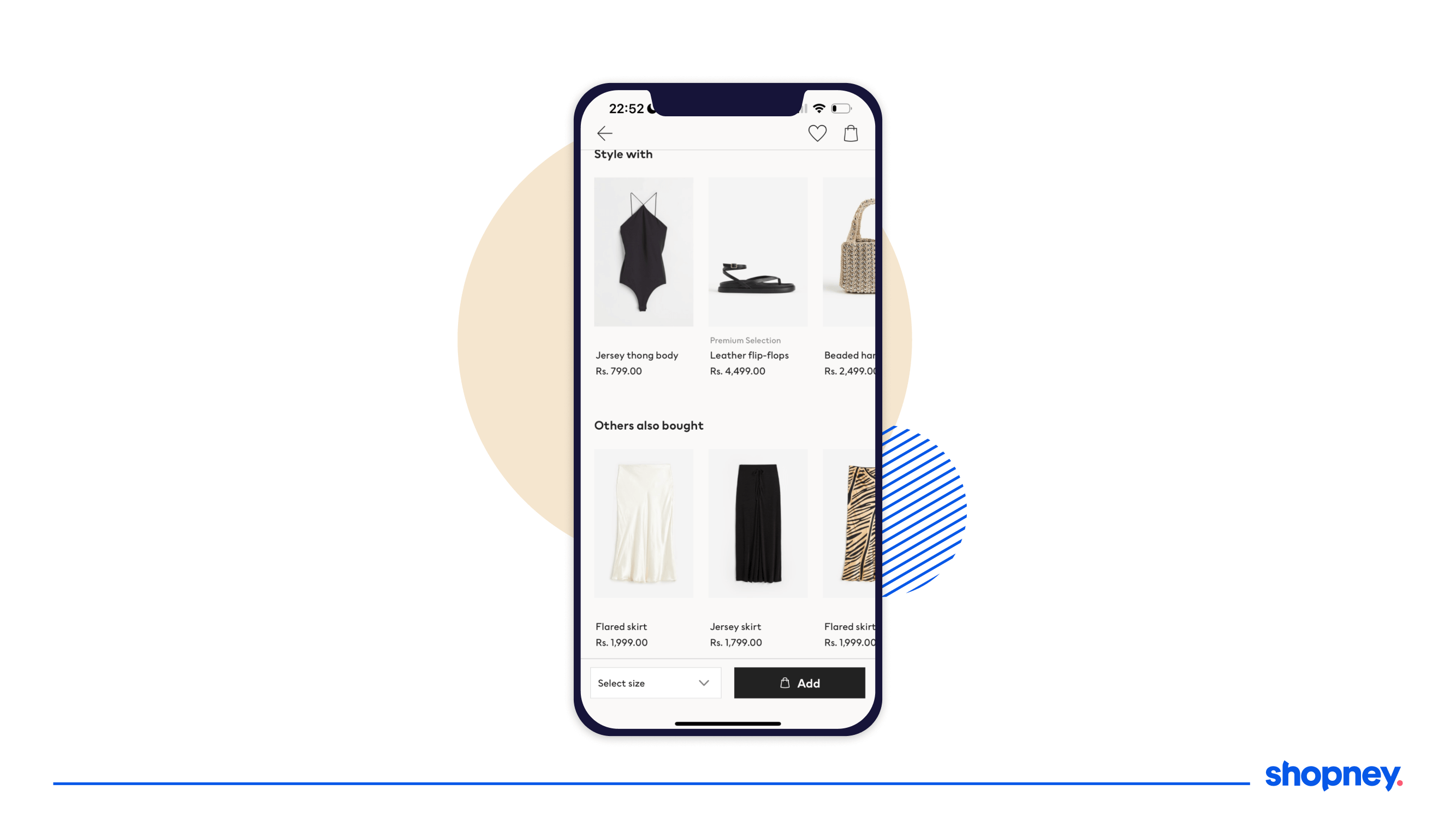

You've spent hours perfecting your Shopify store, curating products, and designing pages that look professional. Yet when you compare your Shopify product page examples with competitors that seem to convert effortlessly, something feels off. The secret often lies in how you present product recommendations, those strategic suggestions that can transform a single purchase into a basket full of items. This article will show you what actually converts for product recommendations on Shopify, revealing the psychology behind cross-sells, upsells, and personalized suggestions that drive revenue.
PagePilot's AI page builder helps you create optimized product pages with intelligent recommendation layouts that mirror those used by top-converting stores, allowing you to test different approaches to find what resonates with your specific audience. Instead of guessing which products to showcase together or where to place recommendation widgets, you get data-informed layouts that adapt to your catalog and customer behavior.
Summary
- Product recommendations fail when stores treat them as conversion tactics instead of scaling tactics. Most Shopify sellers add recommendation widgets to weak product pages that lack clarity, trust signals, or proper structure. The result compounds confusion rather than expanding cart value.
- Generic supplier content destroys credibility before recommendations even matter. When shoppers see identical descriptions and images across multiple stores, they recognize the pattern instantly and trust drops. According to Spiegel Research Center, displaying reviews can increase conversion rates by up to 190% for lower-priced products, but that only works when the foundational messaging differentiates your store from competitors using the same supplier materials.
- Base conversion rate determines whether recommendation strategies can succeed mathematically. A store converting at 1% with recommendations boosting average order value from $50 to $65 generates just $0.65 per visitor. First, improve the base conversion to 2.5%; the same recommendations would yield $1.63 per visitor.
- Testing velocity matters more than app stacking for finding products that scale. When page creation takes three days, you can test only one or two products per week. Compress that to minutes, and you can validate ten products with strong presentations in the same timeframe.
- The timing of recommendations determines whether they feel helpful or distracting. Showing complementary products after add-to-cart clicks respects the buyer's journey, while displaying them before trust is established fragments attention.
AI page builder addresses this by generating conversion-optimized product pages with intelligent recommendation layouts in under two minutes, letting you test products on strong foundations before layering upsells.
The Real Problem With Shopify Product Recommendations
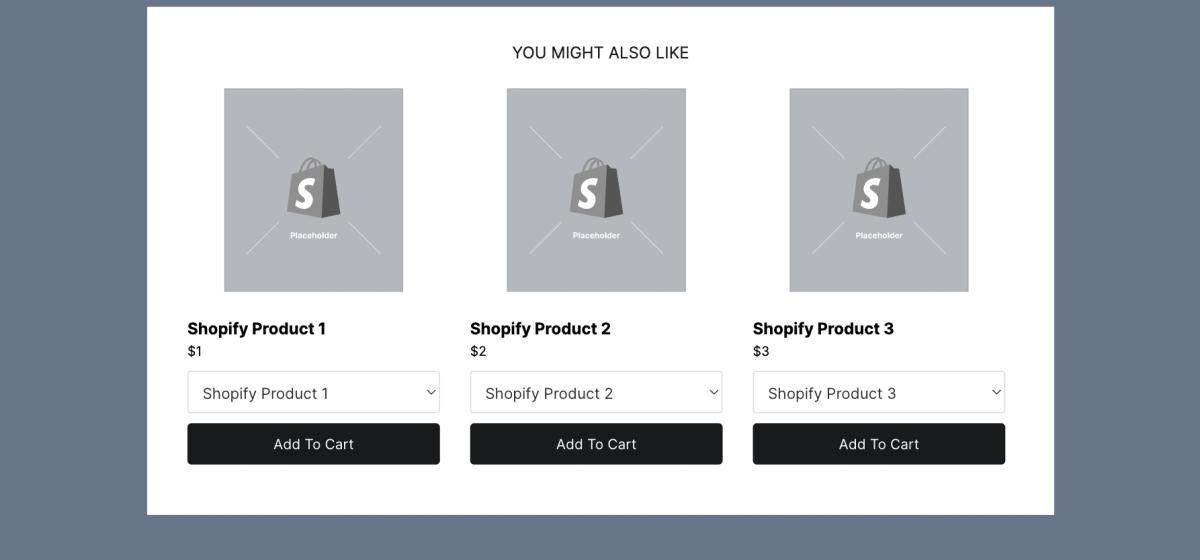
Most Shopify sellers think adding product recommendations is a quick win. Install an app, show a "You May Also Like" section, and the average order value goes up. If recommendations drive massive revenue for Amazon, why wouldn't they work for your store?
The Friction of Choice
In practice, recommendation blocks often create more friction than revenue. Stores clutter product pages with irrelevant suggestions that have no logical connection to the main item. Instead of reinforcing the purchase decision, these cross-sells introduce new decisions. The shopper was close to buying. Now they're comparing.
Worse, recommendations frequently appear before the primary value proposition is fully clear. The customer hasn't yet understood why the main product matters, and suddenly they're being shown alternatives. That distraction interrupts momentum.
The result? Average order value doesn't move. In some cases, conversion rate drops because the page becomes noisy and unfocused.
When Recommendations Amplify Weak Foundations
This is the core tension most sellers miss: product recommendations don't fix weak product pages. They amplify them. If the primary product page lacks clarity, differentiation, or trust, adding more products to the mix only compounds the confusion.
The Conversion Gap
Industry data shows a critical challenge for e-commerce growth: approximately 97% of Shopify visitors leave without completing a purchase. This staggering bounce rate underscores the need to implement high-precision conversion and retention strategies to capture the attention of the small fraction of users who remain. That's not a recommendation problem. That's a conversion problem.
Think about it this way. If your main product page doesn't clearly communicate what the item does, who it's for, and why someone should care, showing three more products won't help. You're asking someone to choose among four options they don't fully understand, rather than one.
The Personalization Powerhouse
Research from McKinsey & Company highlights the significant impact of algorithmic personalization, reporting that Amazon's recommendation engine accounts for an estimated 35% of its total sales. This statistic demonstrates how effectively retailers can leverage consumer data to significantly boost revenue through high-relevance cross-selling.
But Amazon's product pages already convert. The recommendations work because the foundation is solid: clear images, detailed descriptions, verified reviews, and fast shipping promises. The cross-sell is the cherry on top, not the cake itself.
The Timing Problem Nobody Talks About
Many stores place recommendation widgets too early in the page flow. The visitor scrolls past the hero image, skims one paragraph of copy, and immediately sees "Complete the Look" or "Customers Also Bought."
That's premature. The shopper hasn't yet absorbed the core value. They haven't seen social proof. They haven't understood how this product solves their specific problem. Introducing alternatives at that moment creates decision fatigue, not desire.
The Convenience Trap
The pattern plays out across stores. Agencies and app developers default to "add more products" when performance stalls rather than addressing fundamental issues. Listing optimization, image quality, and copy clarity, these require separate attention and often separate budgets. It's easier to install a recommendation plugin than to rewrite product descriptions or reshoot photos.
But recommendations can increase revenue, just not in isolation. They work when the foundation is already strong. When the primary product page converts visitors into buyers, then showing complementary items makes sense. The decision to buy has already been made. Now you're simply expanding the cart.
What Actually Needs to Happen First
Before adding any recommendation logic, the core product page needs three things:
- Clarity about what the product is
- Proof that it works
- A clear reason to act now
The Conversion Trifecta
Clarity means the visitor understands the product within seconds. No vague language, no jargon, no assumptions about prior knowledge. Proof means reviews, testimonials, user-generated content, anything that shows real people getting real results. Urgency means limited stock, time-sensitive offers, or a compelling reason not to leave and think it over.
When those three elements are in place, recommendations become fuel. They expand average order value because the visitor is already in buying mode. The question shifts from "Should I buy?" to "What else do I need?"
Conversion-First Architecture
Tools like PagePilot's AI page builder help stores build that foundation faster by generating optimized product pages with intelligent recommendation layouts already baked in. Instead of guessing where to place widgets or which products to bundle, you get data-informed layouts that adapt to your catalog. The recommendations work because the page structure already converts.
But if you skip that step and just add a recommendation app to a weak page, you're not solving the problem. You're decorating it.
The truth is, most stores treat recommendations as a conversion tactic when they should be treating them as a scaling tactic. You don't start with recommendations. You earn the right to use them once your core page already works.
Related Reading
- Shopify Product Page Examples
- How to Make Your Shopify Store Look Professional
- How to Increase Conversion Rate Shopify
- Best Size for Shopify Product Images
- eCommerce Product Page Optimization
- Shopify Banner Size
- How to Create Multiple Product Pages in Shopify
- How to Change Favicon on Shopify
- How to Add Size Chart in Shopify
- How to Customize Shopify Checkout Page
Why Most Product Recommendation Strategies Fail
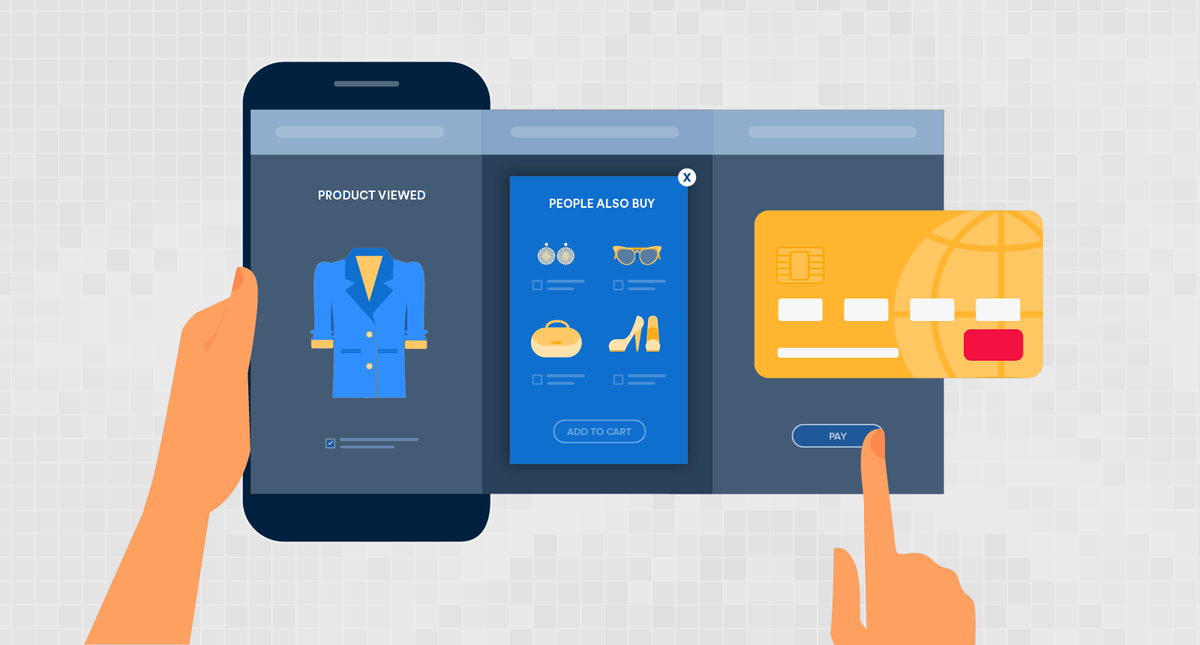
If adding recommendations were enough on its own, every Shopify store using a recommendation app would see AOV climb. But most don't. And the reason isn't the technology. It's the strategy.
The common advice sounds logical: "Add related products below the fold." "Use AI-powered recommendation apps." "Show trending products everywhere." The assumption is that greater exposure leads to more sales. In reality, poorly placed or poorly framed recommendations often backfire.
The Context Problem
The first problem is a lack of context. When recommendations appear without an explanation of why they're relevant, they don't just feel random. They feel careless. Customers interpret irrelevant suggestions as a lack of understanding from the brand.
The Relevance Gap
Research conducted by Clerk.io reveals a significant gap in the customer experience, with 63% of consumers expressing frustration with generic product recommendations. This data shows that irrelevant suggestions not only fail to convert; they also disrupt the shopper's journey by creating unnecessary friction.
That frustration doesn't stay neutral. It leads to what marketers call irrelevance fatigue. Customers disengage because the experience feels impersonal.
Decision Paralysis
On a product page, that friction compounds quickly. If the shopper hasn't fully understood the value of the main product, introducing alternatives or add-ons creates cognitive overload. Cross-sells before clarity interrupt momentum. Instead of reinforcing confidence, they reopen the decision process.
The Conversion Hierarchy
The second mistake is sequencing. Many stores optimize for average order value before optimizing conversion rate. But if your base conversion is weak, increasing AOV is mathematically irrelevant. You can't meaningfully increase revenue per visitor if too few visitors convert in the first place.
Why Personalization Fails in Practice
Most recommendation engines claim to be "personalized," but in practice, they're just algorithmic. They track what someone clicked three pages ago and surface similar items. That's pattern matching, not personalization. Real personalization requires understanding intent, not just behavior.
The Context Blindspot
A visitor browsing winter coats might be shopping for themselves, buying a gift, or researching for someone else entirely. The algorithm sees "coat interest" and shows more coats. But if they're gift shopping for a teenager, showing premium wool overcoats misses completely. The recommendation feels tone-deaf because it lacks human context.
The Personalization Deficit
Industry analysis reveals a significant missed opportunity in the digital marketplace: only 15% of e-commerce sites currently utilize personalized product recommendations effectively. This statistic highlights a widespread execution gap: the vast majority of online retailers fail to deliver the tailored shopping experiences needed to meet modern consumer expectations.
The other 85% are running recommendation engines that generate noise rather than value. They're adding widgets without a strategy, hoping volume compensates for relevance.
This is why so many recommendation strategies disappoint. They're layered on top of product pages that haven't yet earned attention, trust, or intent. The key insight is simple: if the main product doesn't convert well, recommendations won't save it.
The Speed Trap
There's another failure mode that rarely gets discussed: recommendations slow down decision-making when speed matters most. In dropshipping and fast-moving product testing, the ability to launch and validate quickly separates winners from everyone stuck tweaking. When you're testing five potential products this week, you can't afford to spend days building custom recommendation logic for each one.
Manual Scaling Limits
Most sellers treat recommendations as a post-launch optimization. They get the page live, monitor performance, and then manually add cross-sells based on gut feel. That approach works if you're selling ten SKUs. It breaks completely when you're testing products rapidly to find what converts.
Automated Strategic Design
Tools like PagePilot's AI page builder address this by generating optimized product pages with embedded intelligent recommendation layouts. Instead of manually configuring which products to show where, you get data-informed placements that adapt to your catalog in under two minutes.
The Foundation Failure
The recommendations work because they're built into a page structure designed to convert first, upsell second. But most stores skip that foundation. They bolt recommendations onto pages that don't clearly communicate value. The result isn't just missed revenue. It's wasted time building the wrong thing.
When Recommendations Become Distractions
The failure pattern is consistent: a visitor lands on a product page, scrolls past a vague headline, sees three competing product suggestions, and bounces. The store owner assumes the traffic was bad. In reality, the page introduced doubt before it built desire.
Premature Comparison
Recommendations should feel like helpful additions, not competing offers. When they appear too early, before trust is established, they fracture attention. The visitor starts comparing options they don't yet understand instead of focusing on the one product that brought them there.
That's the tension most strategies ignore. Recommendations aren't inherently good or bad. They're accelerants. If your page already converts, they amplify revenue. If it doesn't, they amplify confusion.
What Actually Makes Product Recommendations Convert
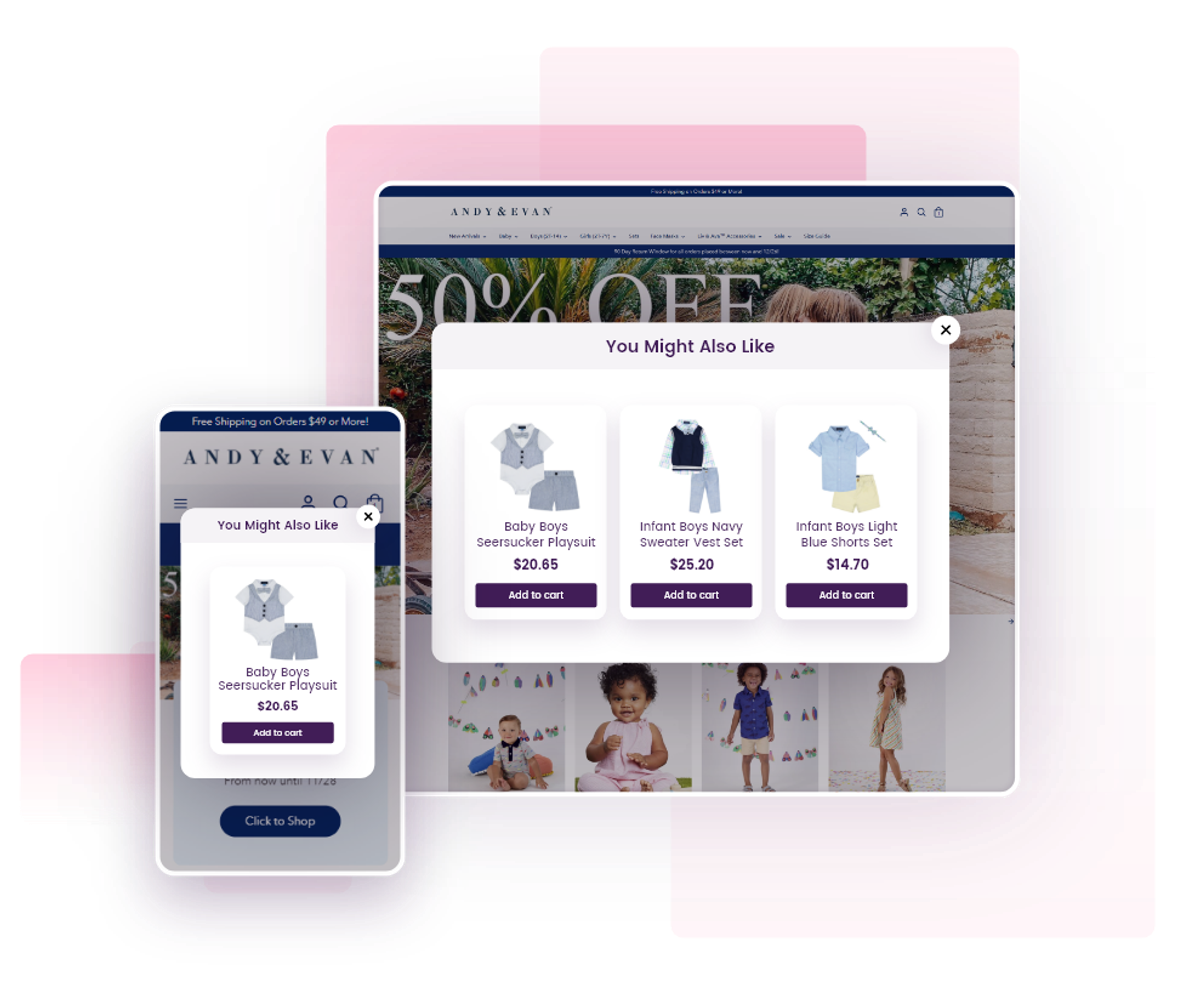
Recommendations convert when they reinforce intent, not when they introduce new decisions. The difference lies in sequencing. Show them after clarity and trust are established, not before. When a shopper already understands the product and believes it solves their problem, related items feel like natural extensions. Before that moment, they feel like distractions competing for attention.
The mistake most stores make is treating recommendations as a conversion tool when they're actually a scaling tool. You don't start with them. You earn the right to use them once your core page already works.
Clarity First: What Is This and Why Does It Matter?
Before anyone considers an add-on, they need to understand the primary product. That sounds obvious, but most product pages fail this basic test. Visitors land on a page, scan the headline, glance at an image, and still can't articulate what the product does or who it's for.
When that clarity gap exists, showing additional products compounds the problem. Now the shopper is evaluating multiple items they don't fully understand. Cognitive load increases. Decision fatigue sets in. They leave.
The Fractured Value Proposition
The pattern appears frequently in dropshipping. A seller finds a trending product, imports it to their store, and immediately adds cross-sell widgets. But the main product description is vague. The images are generic. The value proposition is buried halfway down the page. Adding recommendations at that stage doesn't increase average order value. It fractures focus.
Clarity means a visitor can understand the product within seconds. No jargon. No assumptions about prior knowledge. Just a direct explanation of what this is, who it's for, and why it matters. Once that foundation is in place, recommendations can be made. Not before.
Trust Second: Reviews, Proof, and Credibility
Even when clarity exists, recommendations fail without trust. A shopper might understand what you're selling, but if they don't believe it works, suggesting related items feels premature.
The Conversion Power of Proof
Trust signals change everything. Data from the Spiegel Research Center highlights the critical role of social proof in e-commerce, showing that displaying reviews can increase conversion rates by up to 190% for lower-priced products. This significant uplift illustrates how effectively establishing trust through customer feedback can drive immediate purchasing decisions.
Social proof reduces uncertainty. It shifts the internal question from "Does this work?" to "Will this work for me?"
Intent-First Recommendations
Shift matters because recommendations only convert when the primary purchase decision is already made. If a shopper is still weighing whether to trust your product, showing them three more products doesn't help. It signals that you're more interested in selling volume than solving their problem.
The sequence has to be right. First, prove the main product works. Show reviews. Include user-generated content. Display trust badges. Show the visitor that others have achieved results. Once that credibility is established, cross-sells feel like helpful guidance instead of sales pressure.
Personalization Requires Trust
Epsilon’s research indicates that 80% of consumers are significantly more likely to make a purchase when brands provide personalized experiences. True personalization, however, is built upon a foundation of consumer confidence; without established trust, even the most relevant recommendation is perceived as mere noise.
Recommendations Third: Logical Extensions, Not Distractions
This is where sequencing becomes critical. Recommendations should appear after the visitor has absorbed value and developed intent. Not during the discovery phase. Not while they're still deciding if the main product is worth it.
The best recommendations feel inevitable. A phone case is shown after someone adds a phone to their cart. A lens kit is displayed once a camera purchase is confirmed. These aren't competing offers. They're logical completions of the solution the shopper already chose.
Contrast that with common mistakes. Showing alternative products before commitment. Placing recommendation blocks above key benefits. Forcing customers to navigate away from the page to add accessories. Each of these patterns introduces friction instead of reducing it.
The Agility Barrier
When you're testing products rapidly, this sequencing challenge multiplies. Most sellers build pages manually, guessing where to place cross-sells based on intuition. That approach breaks when you're launching five products this week to find what converts. You can't afford to spend hours configuring recommendation logic for each test.
Strategic Speed
Tools like PagePilot's AI page builder address this by generating optimized product pages with embedded intelligent recommendation layouts. Instead of manually deciding which products to show where, you get data-informed placements that adapt to your catalog in under two minutes. The recommendations work because they're built into a page structure designed to convert first, upsell second. That speed matters when testing is the strategy, not an afterthought.
Context-based placement makes the difference. Show recommendations after add-to-cart clicks. Position them below the trust sections. Surface them post-purchase. Each of these placements respects the buyer's journey instead of interrupting it.
Effortless Expansion
Frictionless add-to-cart options reduce decision fatigue. One-click additions let shoppers expand their order without restarting their evaluation process. The goal isn't to make them reconsider. It's to make expansion effortless once the decision is already made.
The Belief Shift
Product recommendations don't exist to introduce new decisions. They exist to reinforce the decision already being made. When recommendations increase confidence by completing the solution, reducing risk, or improving the outcome, they convert. When they introduce uncertainty or distraction, they don't. The difference isn't the technology. It's the timing.
Most stores layer recommendations on top of weak foundations and wonder why the average order value doesn't increase. The answer is simple. You can't scale what doesn't convert. Fix the core page first. Build clarity. Establish trust. Then add recommendations as fuel, not as a fix.
Related Reading
- Shopify Variants vs Options
- Shopify Websites Examples
- Best Shopify Themes For Conversion
- How To Add Frequently Bought Together On Shopify
- Shopify Variants Vs Options
- How To Add Size Chart In Shopify
- Product Recommendations Shopify
- How To Change Favicon On Shopify
- Shopify Order Confirmation Page
- How To Choose A Shopify Theme
- How To Customize Shopify Checkout Page
The Hidden Bottleneck: Weak Product Pages
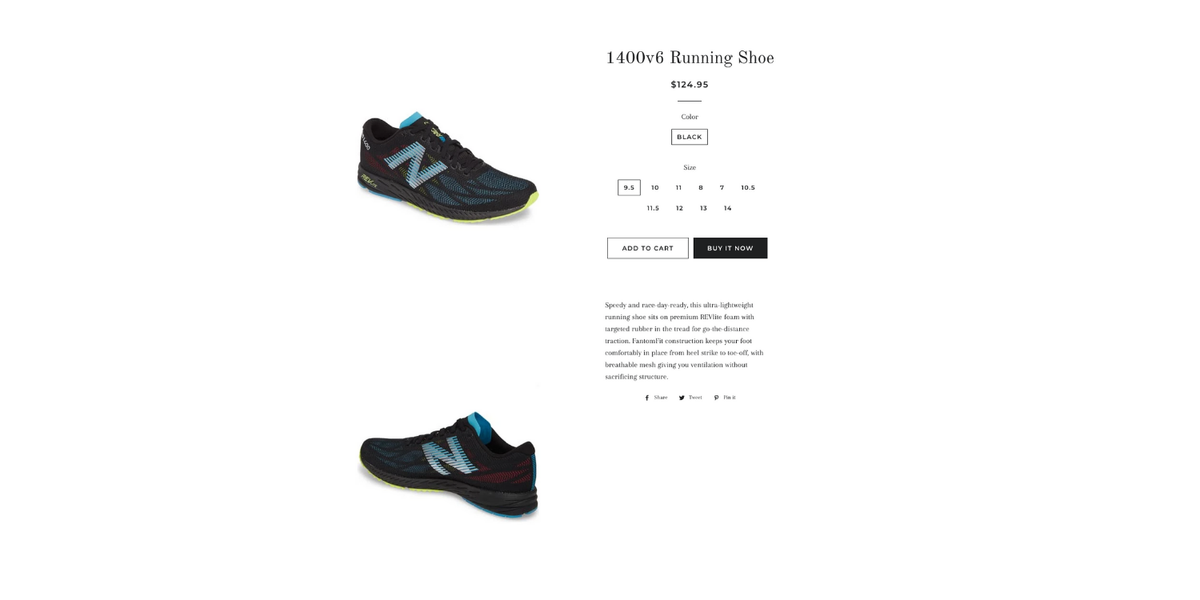
By this point, the pattern should be clear. Recommendations fail not because the idea is wrong, but because the foundation is weak. Most Shopify stores don't have a recommendation problem. They have a product page problem.
The Generic Copy Trap
Start with a copy. Generic supplier descriptions are everywhere. The same bullet points. The same vague claims. The same recycled benefits. When shoppers see identical wording across multiple stores, trust drops immediately. There's no differentiation, no clarity about why this store is worth buying from, and no reason to believe the product is meaningfully better.
Visual Interchangeability
Overused supplier photos make stores look interchangeable. If five other stores use the exact same visuals, customers assume they're looking at the same business with different logos. That perception alone undermines credibility, which drives conversion.
Structure compounds the issue. Poor hierarchy, cluttered layouts, misplaced trust signals, and unclear calls to action quietly lower baseline conversion rates. Shoppers hesitate not because they don't want the product, but because the page doesn't make the decision feel easy.
The Base Conversion Rate Problem
This is the hidden bottleneck most sellers miss: if your base conversion rate is weak, even perfectly placed product recommendations won't matter. Increasing average order value only works when the initial purchase decision is strong. If few people buy the main product, there's nothing to upsell.
The Revenue Foundation
The math is unforgiving. A store converting at 1% with a $50 average order value generates $0.50 per visitor. Add recommendations that boost AOV to $65, and you're still only at $0.65 per visitor. But improve the base conversion to 2.5% before adding recommendations, and you're suddenly at $1.63 per visitor. The foundation matters more than the optimization layer.
Most sellers optimize in reverse. They chase AOV improvements while the conversion rate stays stuck at 0.8%. That's building on sand. The page doesn't clearly communicate enough value to drive the first sale, so adding more products just creates more decisions that no one's ready to make.
Why Generic Content Kills Trust
Supplier descriptions feel safe because they're already written. Copy the text, import the images, and launch the page. But that convenience creates a credibility problem. When shoppers encounter the same wording on three different sites, they recognize the pattern. This isn't a curated store. It's a middleman.
That recognition changes how they evaluate everything else. Pricing feels arbitrary. Shipping times feel uncertain. Return policies feel risky. The entire transaction becomes less trustworthy because the product presentation signals low effort.
The False Negative Problem
The familiar approach is to launch quickly with supplier content, test the product, then optimize later if it shows promise. As testing volume increases, though, that approach creates a different problem. You're not just testing products anymore. You're testing weak product presentations. The signal gets noisy. A product might work, but the page doesn't give it a fair chance.
High-Speed Differentiation
Tools like PagePilot's AI page builder solve this by generating unique, conversion-focused copy and layouts in under two minutes. Instead of choosing between speed and quality, you get both. The page launches with differentiated messaging, proper structure, and intelligent product positioning already in place. That means your product tests run on strong foundations from day one, not after manual rewrites.
Structure Determines Behavior
Page hierarchy guides attention. When the most important elements appear in the wrong order, shoppers process information inefficiently. They scroll past the value proposition, looking for specs. They hunt for reviews before understanding what the product does. They reach the add-to-cart button before trust is established.
Cluttered layouts amplify this confusion; too many elements compete for attention. Trust badges are placed randomly. Multiple CTAs create decision paralysis. The page becomes a puzzle instead of a path.
The Logical Flow
A clear structure does the opposite. It sequences information so each element builds on the last. Headline communicates the core benefit. Images show the product in context. Copy explains how it works. Reviews prove it delivers. CTA appears once intent is formed. That flow respects how people actually make decisions.
The Conversion Precedence
When the structure is weak, recommendations arrive at the wrong psychological moment. The shopper hasn't finished evaluating the main product, and suddenly they're being asked to consider alternatives. That's not helpful guidance. That's cognitive overload, which leads to the obvious but often ignored transition: before optimizing recommendations, you need a product page that actually sells.
A Smarter Way to Improve Revenue Per Visitor

If weak product pages are the real bottleneck, then improving revenue per visitor isn't about stacking more apps. It's about fixing the sequence.
Most Shopify sellers try to increase revenue by adding layers: recommendation widgets, bundles, upsell popups, and urgency timers. However, revenue per visitor hasn't improved despite the addition of tools. It improves because the core offer converts more consistently.
Build the High-Converting Foundation First
Start with a product page that actually sells. That means clear positioning, strong benefits, credible proof, and a logical flow that removes friction. If the main offer doesn't persuade effectively, nothing layered on top will compensate.
The Conversion Gap
The numbers tell the story. Research from Opensend highlights a significant challenge for digital retailers, revealing that a staggering 98% of website visitors typically leave without converting. This statistic underscores the importance of capturing intent quickly, as the vast majority of traffic does not complete a purchase on their initial visit.
This is not a recommendation engine problem. That's a persuasion problem. The page isn't communicating its value clearly enough to trigger the purchase decision.
The Compound Growth Effect
A store converting at 1.2% with $45 AOV generates $0.54 per visitor. Add recommendation widgets that boost AOV to $60, and you're at $0.72 per visitor. Better, but not transformative. Now improve base conversion to 3% before touching recommendations, and you're suddenly at $1.35 per visitor. Double that again with strategic upsells, and you're at $1.80. The foundation multiplies everything else.
Most sellers optimize in reverse. They chase AOV improvements while the conversion rate stays frozen at 0.9%. That's polishing a car that won't start.
Differentiate Before You Amplify
Make your messaging and visuals distinct. If your copy sounds like every other supplier listing and your images look identical to competitors, trust erodes before the shopper even evaluates the product. Distinct positioning and upgraded visuals increase perceived value, which directly affects both conversion rate and pricing flexibility.
The Credibility Vacuum
Generic supplier descriptions create a credibility vacuum. When shoppers see the same bullet points across five stores, they recognize the pattern instantly. This isn't a brand. It's a reseller with no unique perspective. That recognition changes how they evaluate everything: pricing feels arbitrary, shipping times feel uncertain, and return policies feel risky.
Differentiation doesn't require massive budgets or professional photoshoots. It requires a point of view. Who is this product actually for? What specific problem does it solve better than alternatives? Why should someone buy from your store instead of the next one?
The Low-Fidelity Trap
When testing multiple products each week, though, creating unique positioning for each one becomes a speed problem. The familiar approach is to launch with supplier content, watch performance, then optimize later if the product shows promise. But that means you're testing weak product presentations, not the products themselves. The signal gets noisy.
High-Speed Quality
Solutions like PagePilot's AI page builder solve this by generating differentiated, conversion-focused copy and layouts in under two minutes. Instead of choosing between speed and quality, you get both. The page launches with unique messaging, proper structure, and intelligent product positioning already in place. This means your product tests run on strong foundations from day one, not after manual rewrites weeks later.
Validate Angles Quickly
Test positioning angles faster. Headlines, hooks, use cases, and target audiences: these variables matter more than small design tweaks. The faster you can test different approaches, the faster you discover what actually resonates. Waiting weeks to iterate because changes are slow or complicated limits growth more than most sellers realize.
The Power of Positioning
A winter coat can be positioned as outdoor gear for hikers, fashion for commuters, or practical warmth for parents. Same product. Completely different messaging. Each angle attracts a different buyer with different objections and different price sensitivity. Testing those angles quickly reveals which one converts best.
The constraint isn't ideas. It's execution speed. If it takes three days to rebuild a product page with new copy and layout, you can only test one angle per product. If it takes two minutes, you can test five angles in an afternoon. That velocity changes what's possible.
Layer Recommendations Strategically
Only then should you add product recommendations. When the primary product page converts well, recommendations become multipliers instead of distractions. They extend a decision that's already been made rather than competing with it.
Timing Is Psychology
The sequence matters because psychology matters. A shopper who just added a phone to their cart is in buying mode. Showing them a case or screen protector feels helpful. A shopper still evaluating whether the phone is worth buying may see the same recommendation as pressure or a distraction.
Strategic Contextual Placement
Context-based placement respects that difference. Show recommendations after add-to-cart clicks. Position them below the trust sections. Surface them post-purchase. Each of these placements acknowledges where the buyer is mentally, rather than interrupting their evaluation process.
Frictionless add-to-cart options reduce decision fatigue. One-click additions let shoppers expand their order without restarting their evaluation process. The goal isn't to make them reconsider. It's to make expansion effortless once the decision is already made.
Speed Matters More Than App Stacking
The key takeaway is simple: test speed matters more than app stacking. Revenue per visitor increases when your foundation improves, not when your app list grows. A store that can launch ten product tests with strong pages this week will outperform a store that launches two tests with recommendation widgets but weak core pages.
The advantage compounds. Each test teaches you something about what messaging works, what visuals convert, and what audiences respond. Those lessons feed the next test. Speed creates a learning loop that slow iteration can't match.
The Scale Engine
Most sellers treat recommendations as an optimization. The real optimization is building pages that convert consistently, then testing enough products to find the ones that scale. Recommendations are fuel for that process, not the engine itself.
Related Reading
• High Converting Product Pages
• Shopify Contact Us Page Example
• Pagefly Alternatives
• Best Trust Badges For Shopify
• Shopify Beauty Stores
• Shopify Electronics Store
• Best Shopify Theme For Print On Demand
• Best One Product Shopify Theme
• Shopify T-shirt Store Examples
How PagePilot Helps You Test Products Before Layering Recommendations
If the real bottleneck is weak product pages, the solution isn't another recommendation widget. It's a faster way to validate what actually converts. Before you optimize AOV, you need to know that your main product page can sell. That's where PagePilot becomes the execution layer.
Instead of manually rewriting supplier descriptions, rearranging theme sections, or fighting layout limitations, you start with what already exists. You input a competitor or supplier URL, and PagePilot generates a structured, high-converting product page using the information found there, but with differentiated copy and positioning, not a duplicate.
Speed Changes the Testing Equation
The constraint most sellers face isn't ideas. It's execution speed. When it takes three days to build a proper product page with unique copy, upgraded images, and logical structure, you can only test one or two products per week. That pace kills momentum.
Testing velocity determines how quickly you find winners. A store that can launch ten product tests this week with strong pages will outperform a store that launches two tests with perfect recommendation logic but weak foundations. The math isn't complicated. More at-bats mean more hits.
Velocity Enables Validation
PagePilot compresses page creation from days to minutes. That acceleration changes what's possible. You can test five positioning angles for the same product in an afternoon. You can validate three new products before lunch. Each test runs on a foundation designed to convert, not a rushed placeholder waiting for optimization later.
Differentiation Without the Design Budget
Most dropshippers face a choice: launch fast with supplier content, or launch slow with custom positioning. The first option creates credibility problems. The second option creates speed problems.
Visual Distinction
PagePilot's AI Product Image functionality solves half of that tension. Rather than relying on overused supplier photos that make your store indistinguishable from competitors, you get improved visuals that elevate perceived value and credibility. The images don't match those of the five other stores. They look intentional.
Automated Differentiation
The copy solves the other half. Instead of bullet points copied from AliExpress, you get messaging that explains who the product is for, what problem it solves, and why someone should care. That differentiation doesn't require hiring a copywriter or spending hours rewriting descriptions. It occurs automatically during page generation.
When shoppers encounter unique positioning instead of recycled supplier text, trust increases. The store feels like a brand with perspective, not a reseller with no point of view.
Test Multiple Products Without Rebuilding Your Theme
The familiar approach is to find a product, customize your theme, add apps, configure settings, and then launch. If the product doesn't work, you repeat the entire process for the next test. That workflow creates friction at exactly the wrong moment.
Frictionless Infrastructure
PagePilot removes that friction. You're not rebuilding pages from scratch each time. You're generating optimized layouts that work independently of your theme's limitations. Test a new product without touching your homepage. Test a different angle without breaking your existing pages. Test faster because the infrastructure adapts rather than resists.
That flexibility matters when you're validating products rapidly. You can run parallel tests without conflicts. You can pivot without technical debt. You can move at the speed of insight instead of the speed of Shopify's theme editor.
Validate the Core Offer First
Once your baseline conversion rate is strong, product recommendations become a true multiplier, not a distraction. The sequence matters. Test the product page first. Confirm it converts. Watch how visitors interact with the layout. See which messaging resonates. Only after that validation should you layer in cross-sells and bundles.
PagePilot lets you validate quickly because the pages launch ready to convert. The structure is already optimized. The copy is already differentiated. The visuals are already upgraded. You're testing the product's market fit, not the page's ability to communicate value.
Clean Signal Testing
That clarity accelerates learning. When a product doesn't work, you know it's the product, not the presentation. When a product does work, you know the page gave it a fair chance. The signal stays clean because the foundation is consistent.
Most sellers spend weeks optimizing pages that should have been killed after three days. Or they kill products that might have worked if the page had been stronger. PagePilot removes that ambiguity by making every test start from a position of strength.
Start a FREE Trial and Generate 3 Product Pages with Our AI Page Builder Today
Testing faster is the only way to find what actually works. The stores that win aren't the ones with the best recommendation apps or the most plugins. They're the ones that test more products, faster, with pages strong enough to convert from day one.
Start a free PagePilot trial today and generate up to 3 product pages at no cost, no credit card required. Test what converts before you add a single recommendation widget. Build the foundation that actually earns the right to upsell, then layer in cross-sells once you know the core offer works. Speed matters. Start testing.