
The difference between a dropshipping store that makes money and one that only generates revenue usually comes down to margins. You can drive thousands of visitors to your store, run ads that get clicks, and process orders every day, but if your margins are too thin, the business becomes much harder to grow profitably. That is why product selection is one of the biggest factors shaping the outcome.
Not all products perform the same when it comes to profit. Two items with the same supplier cost can produce very different margins depending on perceived value, shipping weight, return risk, branding potential, and how well the product page explains why the item is worth the price. The merchants who consistently protect margin are not just finding cheap products. They are choosing products that can be positioned, presented, and sold at a premium.
This article covers high-margin dropshipping product categories, along with practical ways to identify, evaluate, and choose products that support stronger profitability. Whether you are looking for higher-ticket items, impulse products for paid ads, or evergreen products with steady demand, the goal is the same: find products where the gap between cost and selling price is wide enough to support a real business.
What Counts as a High-Margin Dropshipping Product?
In dropshipping, profit margin is the difference between what you charge customers and the cost of delivering the product, including supplier pricing, shipping fees, and any related expenses. It is calculated as:
- Profit Margin (%) = [(Selling Price – Total Cost) ÷ Selling Price] × 100
On average, dropshipping profits range between 15% and 20%, although this can vary significantly. Low-cost, high-volume products often achieve margins of 20–50%, while niche or premium items can deliver 100% or more when positioned effectively.
Maximizing Margins with High-Value Products
Products that fall into this higher range typically combine uniqueness, problem-solving appeal, and substantial perceived value, allowing you to price them well above their sourcing cost. Several factors influence these margins. Supplier cost plays a central role; the lower you source a product, the more flexibility you have with pricing. Shipping is equally essential, as lightweight and compact products reduce delivery costs and make it easier to offer free or discounted shipping without cutting into your profits.
What Makes a Product High Margin
Perceived value is another key element, since items that look premium or fulfil a clear need can be priced higher regardless of their actual cost. Finally, branding potential can significantly improve profitability. Custom packaging, logo printing, or unique variations make a product feel exclusive and justify premium pricing. Ultimately, a high-margin dropshipping product is not merely inexpensive to source; it can be sold at a premium due to its quality, appeal, and differentiation while keeping fulfilment costs low.
Related Reading
- Best Apps For Dropshipping
- Is Dropshipping Still Profitable
- How To Start Dropshipping For Free
- Where To Buy Dropshipping Products
- Is Amazon Dropshipping Profitable
- How To Find Dropshipping Products
Criteria for Choosing High-Profit Products

A winning dropshipping product often has a visual or emotional impact that makes customers stop scrolling. When someone sees it, they think, “What? I’ve never seen that before! That’s brilliant!” These types of products perform exceptionally well on social media platforms like Instagram and TikTok because they are shareable, eye-catching, and impulse-driven. A good "wow factor" product should be unique enough to stand out from everyday items.
Problem-Solving Capability: Find Products That Help Customers
Products that solve a clear problem almost sell themselves. When people face a challenge, whether it’s organizing their space, improving health, or simplifying a task, they are willing to pay for a solution. Your job is to position your product as the answer. Effective marketing often involves highlighting the "before and after" scenario or demonstrating how the product removes frustration from everyday life.
Not Easily Found in Local Stores: Sell What the Neighbors Don't Have
If customers can easily buy an item at their local shop or major retailer, they are less likely to wait for shipping. High-margin dropshipping products are often niche or hard to find locally, which makes online ordering more appealing. This is especially true with unique items sourced internationally. As long as your product feels exclusive or uncommon, many customers are happy to wait several days, or even weeks, for delivery.
High Quality: Prioritize Reliable Dropshipping Products
For sustainable success, your products must be reliable and well-made. Low-quality items not only lead to complaints and refunds but also damage your store’s reputation and future business. Test product quality by placing a sample order. This lets you assess durability and overall feel, experience shipping times firsthand, and capture original product photos and videos for marketing. You can also review customer feedback on supplier platforms to gauge quality before committing.
Low Supplier Cost but High Perceived Value: Look for Items That Are Cheap but Appear Expensive
A key driver of profit margins is perceived value. Look for items that cost relatively little to source but appear premium or desirable enough to justify a significantly higher retail price. For example, minimalist jewellery or branded tech accessories often cost under $10 wholesale but can be sold for $30–$50+ when marketed effectively.
Lightweight and Easy to Ship Internationally: Avoid Bulky Products That Hurt Profit Margins
Shipping costs can erode your margins quickly. Products that are compact, lightweight, and inexpensive to ship give you more flexibility with pricing while keeping delivery fees low. Avoid bulky or fragile items unless you have a clear logistics strategy.
AI Tool to Instantly Build High-Converting Product Pages
Our AI Page Builder will help you test products/ideas and angles way faster than before. Just give our AI a competitor/supplier URL, and we will be able to create a high-converting product page using the information found on their website. Using our AI Product Image function, we will also upgrade the visuals of the product, so you're not competing with the same copywriting/ product images as your competitor. Start a FREE Trial and generate 3 product pages for free today (no credit card needed).
35+ Dropshipping Products With High Profit Margins
Fitness Equipment: Your Gateway to Serious Profits
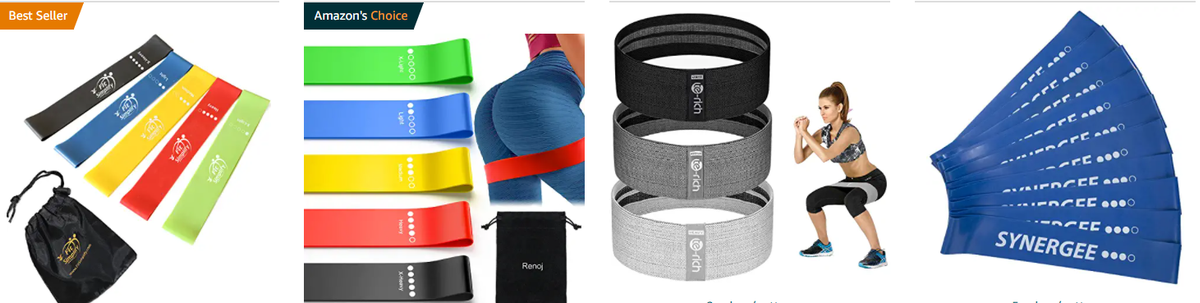
Fitness equipment tops the list of high-ticket dropshipping products for a reason. Serious fitness enthusiasts are willing to pay top dollar for quality gear with advanced features and technology to improve their workouts and lifestyles. Plus, the market is booming, with global revenue expected to reach $49.81 billion in 2025 and grow by 5.92% annually until 2029. The best part? Serious fitness enthusiasts aren’t just looking for one piece of equipment to get them started. They want to build out a fully functional home gym that allows them to train in peace and avoid crowded commercial gyms. Product suggestions:
- High-end treadmills
- Smart home gym systems (e.g., Tonal, Mirror)
- Vibration therapy machines
- Commercial-grade massage chairs
- Rowing machines
Outdoor Gear: Profit Margins Amid Nature’s Uncertainty
With the outdoor equipment market reaching $27.96 billion in revenue by 2025, selling premium outdoor gear presents a lucrative opportunity. For high-end gear, customers often struggle with confusing product specs like insulation ratings, weight limits, and waterproofing. The wrong choice can mean discomfort or even danger in extreme circumstances. Product suggestion:
- Electric bikes (e-bikes)
- High-end camping tents
- Inflatable paddle boards
- GPS drone cameras
- Premium kayaks
Furniture: Solid, High-Value Investments
Furniture ranks among the best high-ticket dropshipping items because they’re considered solid, long-term investments. For high-end furniture, customers value durability and customization alongside an attractive piece. Plus, the demand for eco-conscious, high-end materials is growing, with biophilic design and luxury finishes shaping modern home spaces. Product suggestions:
- Standing desks with built-in tech (wireless charging, AI adjustability)
- Massage recliners
- Smart beds with sleep-tracking features
- Handmade solid wood dining tables
- Ergonomic executive office chairs
Electronics: Constantly Upgrading for Better Living
Electronics are some of the most notable hallmarks of modern living. They shape how we work and communicate. Constant advancements mean that consumers are always looking for the next upgrade, whether for entertainment, productivity, or security. These high-demand products allow brands to price them at a premium. Customers often grapple with complex features and a lack of support after purchasing products, making clear communication essential. Product suggestions:
- 4K and 8K laser projectors
- Audiophile-grade wireless speakers
- Professional gaming setups
- Studio-quality headphones
- Smart home security systems
Pet Care: Cashing In on Man’s Best Friend
Pet owners are spending more than ever to give their pets a more comfortable and fulfilling life. More specifically, the demand for quality, tech-based solutions is rising. Keep in mind that customers expect transparency. It’s essential to justify why a product is “high-end,” and factors like sustainability, ethical sourcing, and ease of use influence purchasing decisions. Product suggestions:
- Smart pet feeders with cameras
- Luxury dog beds (memory foam, orthopedic)
- GPS pet trackers
- High-end aquarium setups
- Automatic self-cleaning litter boxes
Luxury Fashion: Exclusivity and Trust
Luxury fashion is about status, exclusivity, and perception. Brands leverage scarcity, craftsmanship, and high-quality materials to justify premium pricing. That said, modern consumers are more critical. They demand authenticity, especially when shopping online. For example, greenwashing (when brands falsely market themselves as eco-friendly) is a significant issue, making trust a crucial factor in purchasing decisions. Consider this when searching for quality dropship clothing suppliers. Product suggestions:
- Designer handbags and accessories
- Premium smartwatches
- Custom-tailored suits
- High-end sunglasses
- Luxury jewelry
Kitchen Equipment: A Recipe for Success
The kitchen equipment niche is lucrative because high-quality equipment appeals to both professional chefs and home cooks. While cooking itself is a necessity, premium appliances refine the experience, making them a sought-after purchase. A significant pain point for buyers is insufficient details on materials, durability, and aftercare, leading to disappointment when products don’t meet expectations. Product suggestions:
- Professional espresso machines
- High-end Japanese chef’s knife sets
- Smart refrigerators with AI features
- Luxury wine coolers and cellars
- Smart ovens and air fryers
What Makes a Dropshipping Product Truly High Margin (Beyond Cost)
The criteria above cover the basics, but securing a high-margin product isnt just about finding something cheap and selling it for more. The products that hold strong margins over time usually share a deeper set of traits, and those traits matter because they shape how easily the product can be priced, fulfilled, and sold without constant pressure on profit.
Perceived Value
Perceived value is one of the strongest margin drivers because it shapes what customers are willing to pay, no matter what the product costs you. If a product solves a visible problem, looks premium, or taps into an emotional desire, it can support a much higher selling price than its sourcing cost would suggest.
That is why products like posture correctors, minimalist jewelry, and specialty kitchen tools can carry strong markups. The materials may be inexpensive, but when the positioning is clear and the presentation feels premium, the customer sees more value in the offer and the higher price feels easier to justify.
Low Fulfillment Cost
Low fulfillment cost helps protect the margin you create through pricing because shipping can eat into profit faster than most merchants expect. Lightweight, compact products are usually easier and cheaper to ship, which gives you more room to offer free shipping without cutting too deeply into the sale.
Heavier or oversized products can still look attractive at first, but the margin often narrows once shipping is factored in, especially for international fulfillment. The strongest high-margin products are usually small enough to ship affordably through standard delivery methods, so pricing stays more flexible and profit is easier to protect.
Branding Potential
Branding potential is what helps separate a product from a commodity because it gives you a reason to charge more than the next seller. If a product can be differentiated through packaging, color variations, logo placement, or stronger presentation, it becomes much harder for customers to compare it directly with identical listings from other stores.
That matters because premium pricing is easier to hold when the product feels branded rather than generic. Accessories, wellness products, and lifestyle gadgets often perform well here because they can be presented as part of a brand experience instead of just another item pulled from a supplier catalog.
Low Return Risk
Low return risk matters more than many merchants realise because every return cuts directly into margin. Products with sizing issues, fragile parts, or subjective quality expectations tend to create more refunds and complaints, and that makes the economics weaker even when the initial markup looks strong.
The safest high-margin products are usually the ones customers understand quickly and receive with few surprises. If the product is durable, straightforward, and unlikely to disappoint after delivery, you keep more of each sale and spend less time dealing with support issues that chip away at profit.
Why These Factors Matter Together
A product becomes truly high margin when these factors work together rather than looking good in isolation. Strong perceived value helps you price higher, low fulfillment cost protects that pricing, branding potential makes comparison shopping harder, and low return risk helps you keep more of the revenue you generate.
A high-margin dropshipping product is not just cheap to source. It combines strong perceived value, low fulfillment cost, and the ability to be branded and sold at a premium.
35+ Dropshipping Products With High Profit Margins
Fitness Equipment: Your Gateway to Serious Profits
Fitness equipment tops the list of high-ticket dropshipping products for a reason. Serious fitness enthusiasts are willing to pay top dollar for quality gear with advanced features and technology to improve their workouts and lifestyles. Plus, the market is booming, with global revenue expected to reach $49.81 billion in 2025 and grow by 5.92% annually until 2029. The best part? Serious fitness enthusiasts aren't just looking for one piece of equipment to get them started. They want to build out a fully functional home gym that allows them to train in peace and avoid crowded commercial gyms.
Product suggestions:
- High-end treadmills
- Smart home gym systems (e.g., Tonal, Mirror)
- Vibration therapy machines
- Commercial-grade massage chairs
- Rowing machines
Outdoor Gear: Profit Margins Amid Nature's Uncertainty
With the outdoor equipment market reaching $27.96 billion in revenue by 2025, selling premium outdoor gear presents a lucrative opportunity. For high-end gear, customers often struggle with confusing product specs like insulation ratings, weight limits, and waterproofing. The wrong choice can mean discomfort or even danger in extreme circumstances. Product suggestions:
- Electric bikes (e-bikes)
- High-end camping tents
- Inflatable paddle boards
- GPS drone cameras
- Premium kayaks
Furniture: Solid, High-Value Investments
Furniture ranks among the best high-ticket dropshipping items because they're considered solid, long-term investments. For high-end furniture, customers value durability and customization alongside an attractive piece. Plus, the demand for eco-conscious, high-end materials is growing, with biophilic design and luxury finishes shaping modern home spaces. Product suggestions:
- Standing desks with built-in tech (wireless charging, AI adjustability)
- Massage recliners
- Smart beds with sleep-tracking features
- Handmade solid wood dining tables
- Ergonomic executive office chairs
Electronics: Constantly Upgrading for Better Living
Electronics are some of the most notable hallmarks of modern living. They shape how we work and communicate. Constant advancements mean that consumers are always looking for the next upgrade, whether for entertainment, productivity, or security. These high-demand products allow brands to price them at a premium. Customers often grapple with complex features and a lack of support after purchasing products, making clear communication essential. Product suggestions:
- 4K and 8K laser projectors
- Audiophile-grade wireless speakers
- Professional gaming setups
- Studio-quality headphones
- Smart home security systems
Pet Care: Cashing In on Man's Best Friend
Pet owners are spending more than ever to give their pets a more comfortable and fulfilling life. More specifically, the demand for quality, tech-based solutions is rising. Keep in mind that customers expect transparency. It's essential to justify why a product is "high-end," and factors like sustainability, ethical sourcing, and ease of use influence purchasing decisions. Product suggestions:
- Smart pet feeders with cameras
- Luxury dog beds (memory foam, orthopedic)
- GPS pet trackers
- High-end aquarium setups
- Automatic self-cleaning litter boxes
Luxury Fashion: Exclusivity and Trust
Luxury fashion is about status, exclusivity, and perception. Brands leverage scarcity, craftsmanship, and high-quality materials to justify premium pricing. That said, modern consumers are more critical. They demand authenticity, especially when shopping online. For example, greenwashing (when brands falsely market themselves as eco-friendly) is a significant issue, making trust a crucial factor in purchasing decisions. Consider this when searching for quality dropship clothing suppliers. Product suggestions:
- Designer handbags and accessories
- Premium smartwatches
- Custom-tailored suits
- High-end sunglasses
- Luxury jewelry
Kitchen Equipment: A Recipe for Success
The kitchen equipment niche is lucrative because high-quality equipment appeals to both professional chefs and home cooks. While cooking itself is a necessity, premium appliances refine the experience, making them a sought-after purchase. A significant pain point for buyers is insufficient details on materials, durability, and aftercare, leading to disappointment when products don't meet expectations. Product suggestions:
- Professional espresso machines
- High-end Japanese chef's knife sets
- Smart refrigerators with AI features
- Luxury wine coolers and cellars
- Smart ovens and air fryers
Best Types of High-Margin Dropshipping Products by Strategy
Not every high-margin product fits every business model, and that’s why strategy matters as much as margin. The way you plan to sell, whether that’s through high-ticket offers, impulse-driven ad campaigns, steady evergreen sales, or a focused one-product brand, shapes which kinds of products are most likely to perform well for your setup.
That’s also why it makes more sense to sort product types by strategy instead of scrolling through random product lists and hoping something stands out. When the product type matches the way you’re planning to acquire traffic, position the offer, and build the store around it, it becomes much easier to protect margin and make better decisions from the start.
High-Ticket Products
High-ticket products generate larger profits per sale, which means you need fewer transactions to hit your revenue goals. Items like standing desks, massage chairs, electric bikes, and premium home gym equipment typically sell for $200 to $2,000+, with margins that can reach 30% to 50% or higher when positioned well.
The trade-off is that high-ticket products require more trust-building on the product page because customers are making a bigger financial commitment. Strong product descriptions, detailed specifications, clear return policies, and professional imagery are essential at this price point. High-ticket works best for merchants who are comfortable with lower order volume and willing to invest in product pages that justify the price.
Impulse and Viral Products (TikTok and Facebook Ads)
These are the products that stop someone mid-scroll because they look interesting, solve a visible problem, or trigger an emotional reaction. Impulse products typically sell for $15 to $60, with sourcing costs low enough to maintain 40% to 60% margins even after ad spend. Think LED gadgets, novelty kitchen tools, pet accessories, beauty devices, and compact fitness tools.
Visual appeal is a key requirement for the success of this product type. If the product does not look compelling in a short video or a single image, it will not perform well in ad-driven campaigns. Impulse products also need low friction at checkout, which means the price needs to feel easy to justify without extensive research. These products generate volume and work best when you can test multiple items quickly and scale the winners.
Evergreen Products
Evergreen products have consistent demand year-round, which makes them more predictable and easier to plan around than seasonal or trend-driven items. Categories like home organization, wellness and health accessories, phone and tech accessories, and baby or pet products tend to perform steadily across months without dramatic demand spikes or drops.
Margins on evergreen products are typically moderate (25% to 45%), but the stability means you can build a reliable revenue stream without constantly chasing the next trending product. Evergreen products work well as the foundation of a store because they provide consistent cash flow that supports testing newer, higher-risk items alongside them.
One-Product Store Products
A one-product store focuses entirely on a single item, which means the product needs to carry the entire brand. The best candidates for this model are products with strong differentiation, a clear target audience, and enough perceived value to justify premium pricing and brand-building investment. Items like posture correctors, specific beauty tools, niche fitness equipment, or unique home gadgets work well because they can support a dedicated brand story, targeted ad creative, and a product page that goes deep on benefits and social proof.
Margins on one-product stores tend to be higher than general stores because you can invest more in branding, packaging, and page quality, all of which support a higher price point. This model works best when you have a product you are confident in and want to build a recognizable brand around it, rather than testing dozens of items.
The most profitable dropshipping products fall into four categories: high-ticket items, viral impulse products, evergreen products, and brand-focused one-product store items. The right choice depends on your business model and how you plan to drive traffic.
How to Identify High-Margin Dropshipping Products Before You Sell
Finding high-margin products before committing money to inventory, ads, or page building is the most valuable skill in dropshipping. The merchants who consistently find winners are not guessing. They are using a repeatable process to evaluate products based on data, competition, and margin potential before they ever list an item in their store.
Product Research Signals
When you're evaluating products, a healthy margin gap is usually the first thing to check because it tells you whether there's enough room to absorb ad spend, transaction fees, and still leave real profit behind.
As a rule of thumb, you want to see competitor pricing land around 2.5x to 4x above supplier cost after shipping is factored in, so if a product costs $8 from the supplier and similar stores are selling it for $25 to $35, you've usually got enough room to work with. If that gap is tighter than 2x, though, margins will probably get squeezed once acquisition costs enter the picture.
Competitor saturation is the second signal worth checking because it tells you how hard it will be to protect margin once the product is live. Search the item across AliExpress, Amazon, and Google to see how many stores are already selling it, and then look closely at how those listings are positioned. Saturation is not an automatic dealbreaker, but if dozens of stores are using the same supplier images and nearly identical copy, you'll need stronger branding, better product pages, or a sharper ad angle to avoid getting dragged into price competition.
Ad presence is another strong demand signal because active advertisers usually don't keep spending on products that aren't producing returns. Check the Facebook Ad Library and TikTok Creative Center to see whether products in your niche are being promoted consistently over time, because if multiple brands are still running ads on the same kind of offer weeks or months later, that's usually a sign the economics work. On the other hand, if there's no ad presence at all, demand may be unproven, and if the space is packed with aggressive advertisers, margins may already be getting compressed.
Margin Calculation Framework
Before testing any product, run a quick margin calculation to make sure the numbers work. The table below shows the key metrics and target ranges you should evaluate.
If your margin drops below 25% after accounting for product cost, shipping, transaction fees, and estimated ad cost per purchase, the product is likely not worth testing unless you have a clear path to reducing one of those costs.
Tools to Use
Product research tools like the AliExpress Dropshipping Center, Google Trends, and competitor ad libraries help you validate demand and competition before you spend money. Supplier platforms like AliExpress, CJ Dropshipping, and Spocket give you real-time cost and shipping data. And tools like PagePilot can speed up the testing process by generating product pages from supplier or competitor URLs in minutes, so you can move from research to live page faster without manually building every product listing from scratch.
You can identify high-margin dropshipping products by analyzing the price-to-cost ratio, demand signals, and competition before launching.
Common High-Margin Product Mistakes to Avoid
Even a product with strong margin potential can turn unprofitable if you make the wrong calls on selection, positioning, or execution. The mistakes below are the ones that most often turn a promising product into a break-even or money-losing one.
Selling a Saturated Product Without Differentiation
Saturation is not the real problem. The bigger issue is selling the same product the same way as everyone else.
If twenty stores are using the same supplier images, the same generic copy, and the same offer angle, customers will compare prices and buy from the cheapest option. To protect margin, you need stronger branding, better visuals, or a product page that gives people a reason to buy from you instead.
Ignoring Return Risk
Return risk can destroy margin fast, and most merchants do not take it seriously until they have already scaled. Products with sizing issues, fragile parts, or subjective quality expectations usually create more refunds, complaints, and lost profit.
That is why it helps to check return patterns before committing to a product. If the category is known for high returns, that needs to be part of your margin calculation from the start.
Overpricing Without Building Value
A high price only works when the page gives customers a reason to accept it. If the product page does not build trust, explain the value clearly, or make the offer feel worth the money, the higher price will hurt conversion instead of helping margin.
The price and the presentation have to work together. A product can sell at a premium, but only if the visuals, copy, and overall page quality support that positioning.
Underinvesting in the Product Page
Poor product pages are one of the main reasons high-margin products underperform. You can choose a product with healthy margins, strong demand, and reasonable competition, but if the page is weak, customers will leave and buy from a better-presented competitor.
That is where the margin conversation connects directly to conversion. A high-margin product still needs a page that turns perceived value into a completed purchase, and that is exactly the kind of gap PagePilot is built to address through faster testing and stronger product-page creation.
6 Strategies to Increase Your Margins Beyond Product Selection

1. Build an Engaging Brand that Resonates with Your Target Audience
In 2025, embracing branded dropshipping is a must for distinguishing yourself from generic dropshipping stores that have flooded the market in recent years. By developing a compelling brand identity, you can stand out and foster a dedicated customer base. When you start a dropshipping business, focus on building a recognizable brand that appeals to your target audience. For instance, a dropshipping business selling sportswear would have a brand story focused on health and wellness, supported by engaging content on social media. This attracts a dedicated community of fitness enthusiasts eager to shop from your store.
2. Optimize Your Dropshipping Store for SEO
and cost-effective ways to attract customers. Search engine optimization (SEO) is a helpful method for store owners looking to improve their ecommerce website or online shop, bring in more customers, and reduce the need for costly ads. Keyword research is essential, helping you to rank higher for terms your target audience is actively searching for. Focusing on long-tail keywords is particularly effective. Despite lower search volumes, they attract more targeted traffic to your store, which leads to higher conversion rates and more sales.
Using Long-Tail Keywords for Niche Dropshipping
In today’s competitive digital marketplace, dropshipping businesses must find the most efficient way. Take, for instance, a dropshipping store specializing in selling hoodies with custom-printed pet designs. This seller could use long-tail keywords like “custom cat design hoodies” or “personalized dog print sweatshirts” in product descriptions and website tags. This way, the shop is more likely to attract pet owners looking for apparel that celebrates their furry friends.
3. Be Active on Social Media to Increase Your Dropshipping Profit Margins
Building a presence on social media is another way to engage with your audience and drive traffic to your dropshipping store. Let’s say you’re a print-on-demand store owner selling custom embroidered apparel with food-related designs. You can use Instagram and Pinterest to post close-up images of my designs. Plus, you can share customer testimonials and stories, making your brand more trustworthy for new shoppers.
4. Provide a Great Customer Experience
As mentioned earlier, dropshippers need to cultivate customer loyalty and offer good customer service to attract repeat buyers. To start with, you could implement a chat service on your website to provide real-time customer support. This way, I can offer immediate assistance to customers, answer their questions quickly, solve problems on the spot, and make the shopping experience smoother. It shows buyers that their concerns are significant and can significantly improve their trust. But the customer experience doesn’t end at the checkout. Engaging with customers through feedback requests and exclusive discount offers can make them feel appreciated. This can encourage shoppers to share their positive experiences with others and return to your store for future purchases.
5. Embrace Technology To Boost Your Dropshipping Margins
Nearly half of online shoppers in the US wished for personalized offers and recommendations that are relevant to them back in 2023. Using technologies like machine learning and AI can give dropshippers an edge by offering tailored recommendations and marketing campaigns. What’s more, augmented reality (AR) is revolutionizing the ecommerce industry through virtual try-ons, already gaining popularity in the luxury goods and furniture sectors, with expectations for broader adoption. This holds the promise of lower return rates, leaving customers with a more satisfying shopping experience.
6. Negotiate with Suppliers to Increase Your Profit Margins
Strong supplier relationships can lead to better pricing and higher margins. As you scale your business and can order in higher volumes, you should remember to renegotiate terms with your suppliers. Here are a few ways to approach that:
- Demonstrate consistent sales volume
- Highlight potential long-term partnerships and exclusivity
- Request discounts for bulk orders above a certain threshold
Related Reading
- How To Use AI For Dropshipping
- How To Set Up A Dropshipping Business
- How To Find Winning Products For Dropshipping
- How Much Can You Make Dropshipping
- Dropshipping Business Ideas
- Best High Ticket Dropshipping Products
7 Common Mistakes That Kill Profit Margins

1. High Prices of Dropshipping Products
Most visitors at a dropshipping store search for the same product at another store to compare prices. If they think they can get the same product at a lower price somewhere else, they may leave your store. So, it’s better to select a market-competitive price if it’s readily available anywhere. Having a high price isn’t always a bad idea, especially when you’re specifically looking for high-ticket clients.
2. Bad Customer Support
Dropshipping doesn’t end when the customer’s product is dispatched. You must stay connected with your customers and respond to any queries until they are satisfied. A single negative experience can drive away customers. Research shows that after more than one poor interaction, 73% of consumers will jump to a competitor. Another survey shows that a significant percentage of consumers (a shocking 52% of Americans) are willing to pay extra for good customer service.
3. Delayed Shipping
Consumer expectations for fast shipping have skyrocketed in the past few years due to platforms like Amazon. Dropshipping, with its longer shipping times due to international fulfillment, often struggles to meet these demands. The lack of reliable tracking information further ruins customer trust. Since you cannot control the shipping times, the best you can do is be transparent. Keeping customers informed about expected delivery times and proactively addressing potential delays can reduce people’s frustration and help build trust. You should also make a contingency plan with backup suppliers.
4. Unattractive and Unoptimized Website
A poorly designed or slow-loading website can negatively affect a dropshipping business. Ecommerce stores should feel good, be easy to navigate, and look exceptional. Otherwise, visitors just won’t trust them. According to Google, “the probability of bounce increases 32% as page load time goes from 1 second to 3 seconds.” Having a slow, unappealing website means physically pushing your customers away. For outstanding performance, choose a good hosting provider, use a Content Delivery Network (CDN), focus on front-end optimization, and use caching strategies.
5. Choosing the Wrong Sales Channel
Many dropshippers choose the wrong sales channel. Sales channels include:
- Ecommerce platforms like WooCommerce and Shopify
- Marketplaces like Amazon, AliBaba, and eBay
- Social Commerce, like Facebook Marketplace and Instagram
Sales channels matter because factors such as target audience alignment, fee structures, competition levels, and platform policies significantly impact business performance. While popular platforms like Amazon and Walmart offer broad reach, niche marketplaces can provide specialized advantages. Careful consideration of these factors is essential to optimize visibility, sales, and overall growth.
6. Selecting Too Many Products
New dropshippers often make the mistake of offering a vast product range. While you may feel tempted, focusing on a specific niche to build expertise and target a defined audience could be the right step. When you prioritize quantity over quality, you may not be able to ensure customer satisfaction. Data-driven decisions become difficult. Becoming a specialist rather than a generalist in the competitive dropshipping market could be better.
7. Lack of Patience and Persistence
Unfortunately, most dropshippers lack the patience to maintain a dropshipping store. Quick results are not quite common in any business. The secret behind successful dropshipping results is testing different products and experimenting with various marketing strategies and audience segments. Plus, setbacks are inevitable. Giving up could be a big mistake. Consistency with customer service, product optimization, and marketing will eventually bring you success. Building a successful dropshipping store takes time and dedication. By developing patience and persistence, you increase your chances of long-term success.
Start a FREE Trial and Generate 3 Product Pages with Our AI Page Builder today
PagePilot is an AI-powered page builder that quickly generates high-converting product pages for dropshipping stores. Simply enter a competitor’s URL and let our PagePilot AI do the rest. It will create a stunning product page in minutes using the information from the competitor’s site. This means you can test products and ideas faster than ever before. Our AI Product Image function will also upgrade the visuals of the product, so you’re not competing with the same copywriting and product images as your competitor. Start a FREE Trial and generate 3 product pages for free today (no credit card needed).
Related Reading
- Best Dropshipping Software
- AI Tools For Dropshipping
- Best Dropshipping Products
- Gempages Vs Pagefly
- Shogun Vs Pagefly
- Pagefly Alternatives
Building a Smarter High-Margin Dropshipping Workflow with PagePilot
Product selection is where dropshipping profitability is won or lost, but selecting the right product is only half the equation. The other half is how you present and sell it. A product with strong margin potential on paper can underperform if the product page does not communicate enough value to justify the price, or if the ad creative does not capture enough attention to drive cost-effective traffic.
The merchants who consistently earn high margins are the ones who treat product selection, positioning, and presentation as parts of the same system. They choose products with strong perceived value and low fulfillment cost, then invest in product pages that build trust and make the price feel justified. They test quickly, read the data, and double down on what works rather than guessing or copying what competitors are doing with identical pages and identical images.
That testing speed matters more than most people realize. Every day you spend manually building product pages, editing supplier photos, or writing descriptions from scratch is a day your competitors are testing the next product. The faster you can move from product research to a live, conversion-ready page, the more products you can evaluate and the sooner you find the ones that deliver the margins you are looking for.
If you want to move faster, try PagePilot free and generate your first three product pages in minutes, with no credit card required.